Locations
South Africa
In South-Africa, Woodlife Center for Craftsmanship was established with the following objectives:
- On-the-job training in vocational/ practical/ entrepreneurial skills;
- Collaboration with public and private partners;
- Creating employment- and training opportunities for people from impoverished backgrounds
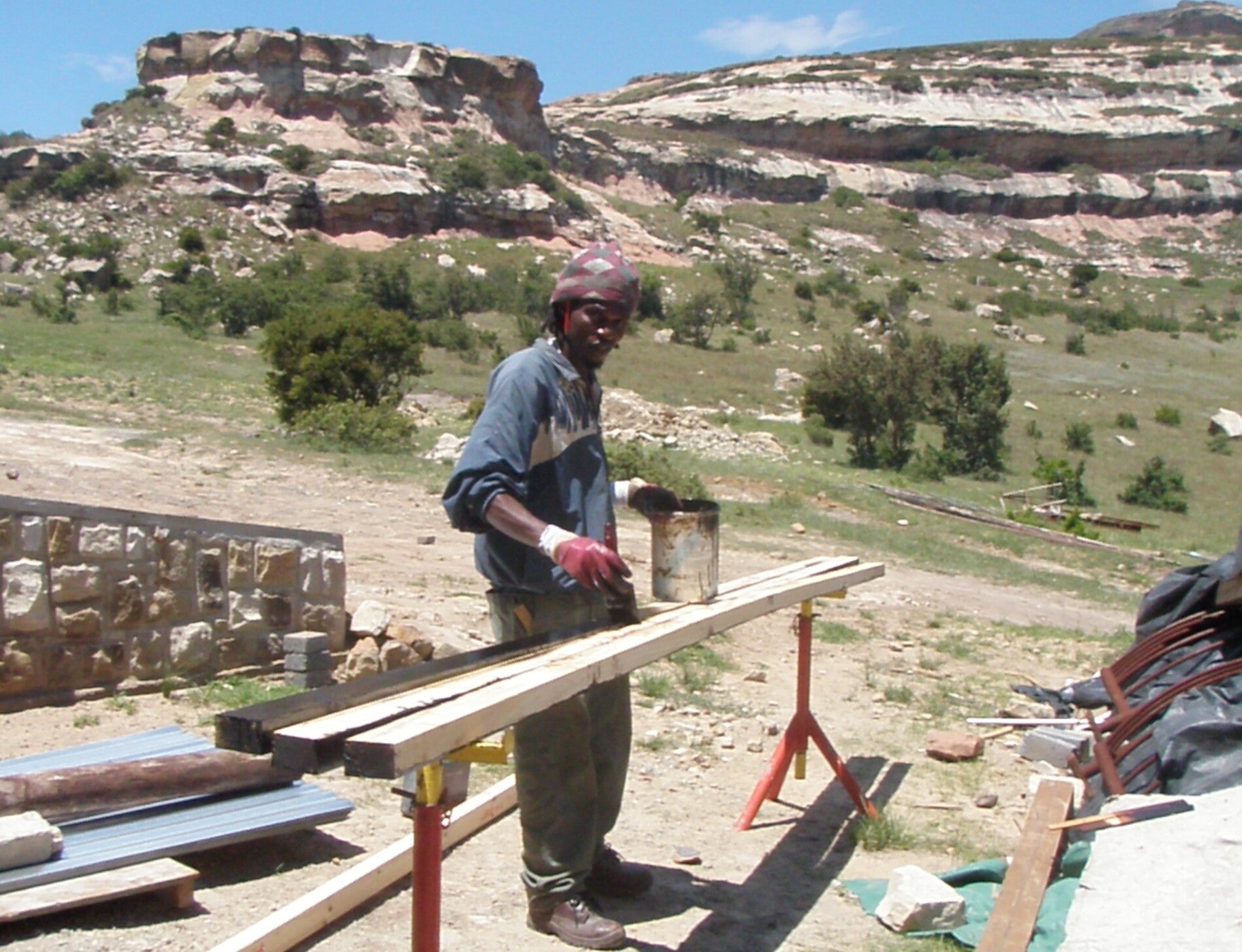
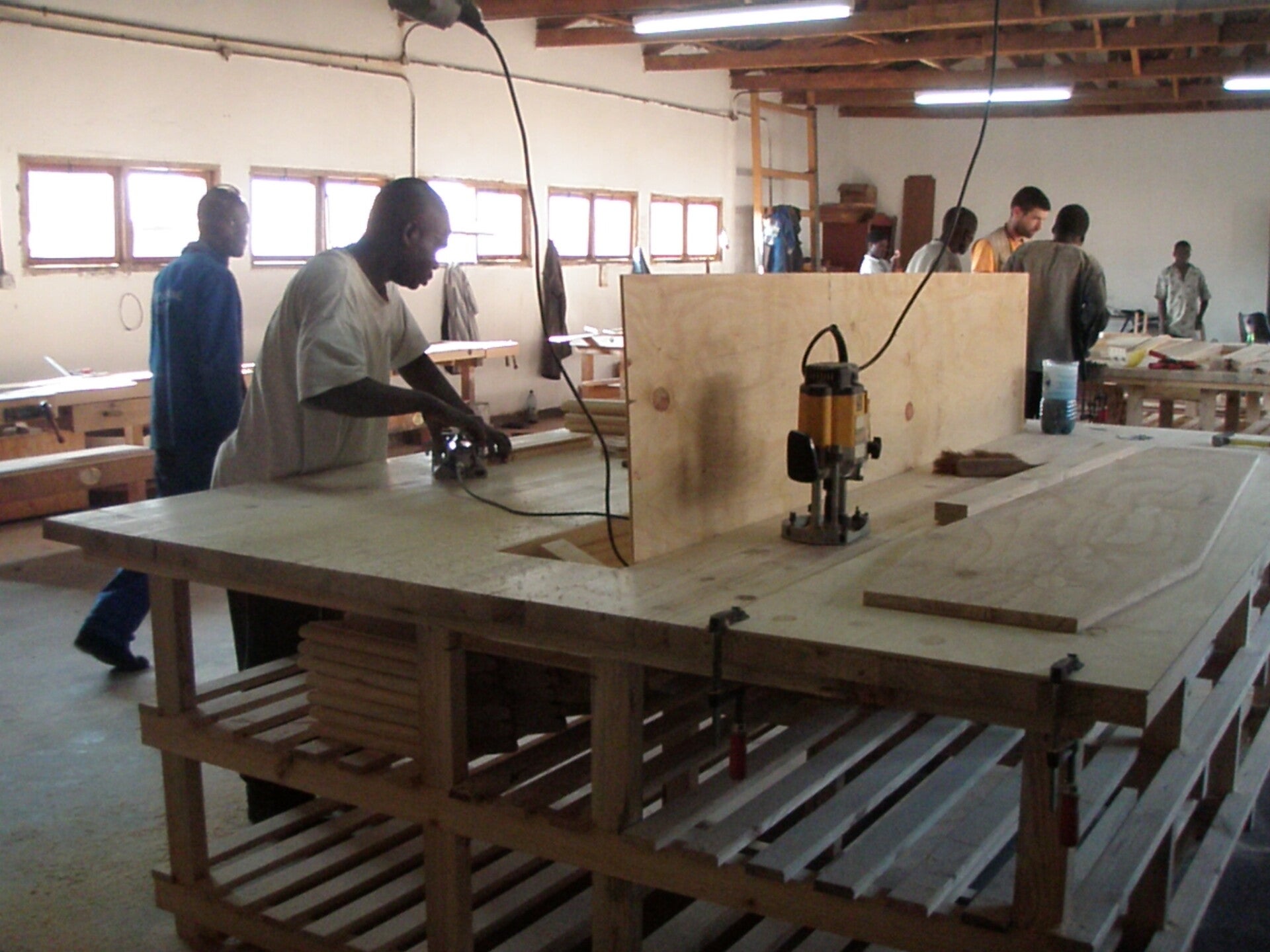
In collaboration with the Verkykerskop Development consortium, Woodlife focused on skills development and on-the-job training in the construction, renovation and fitting of sustainable (off-grid) houses in the Verkykerskop region.
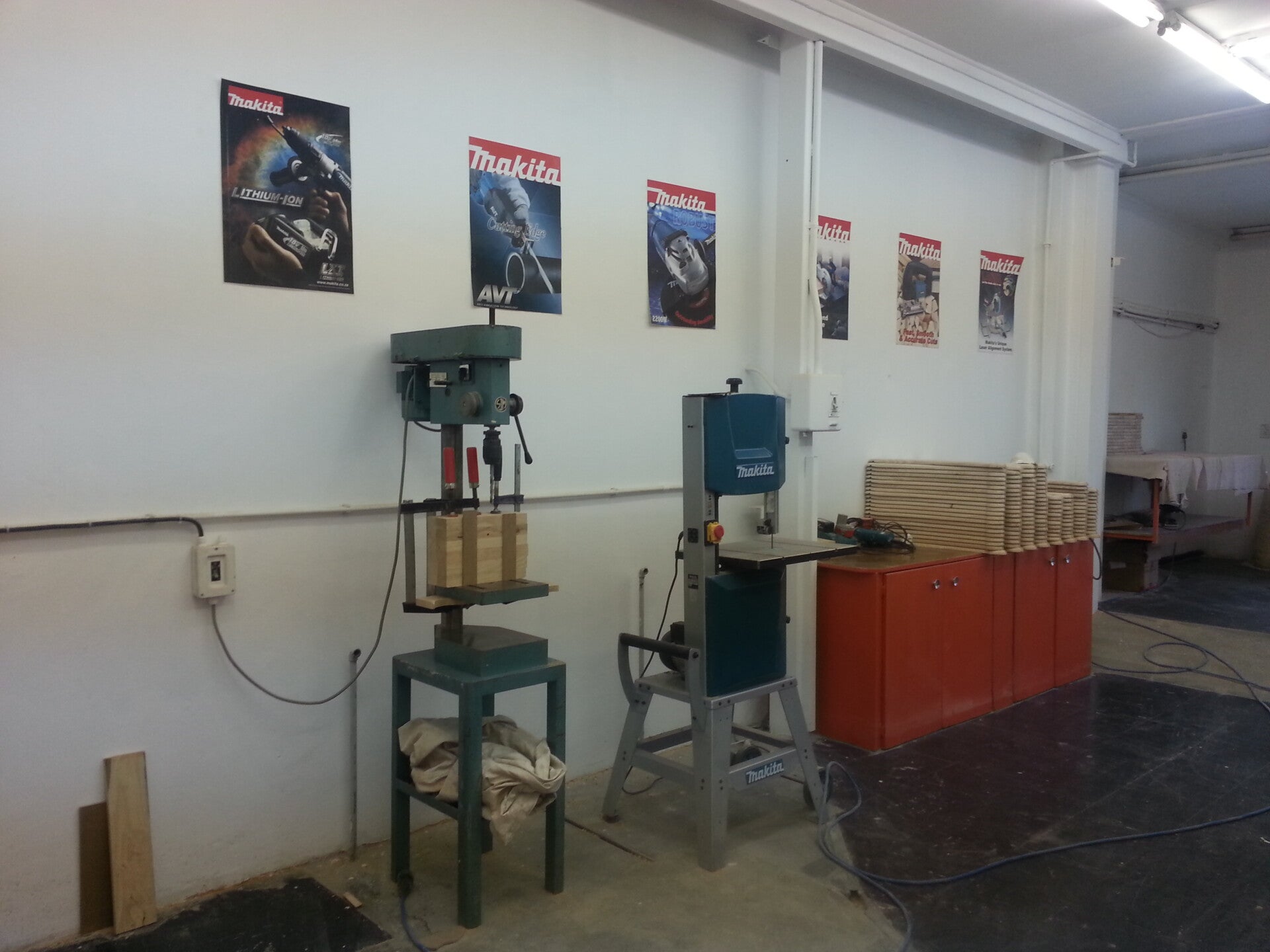
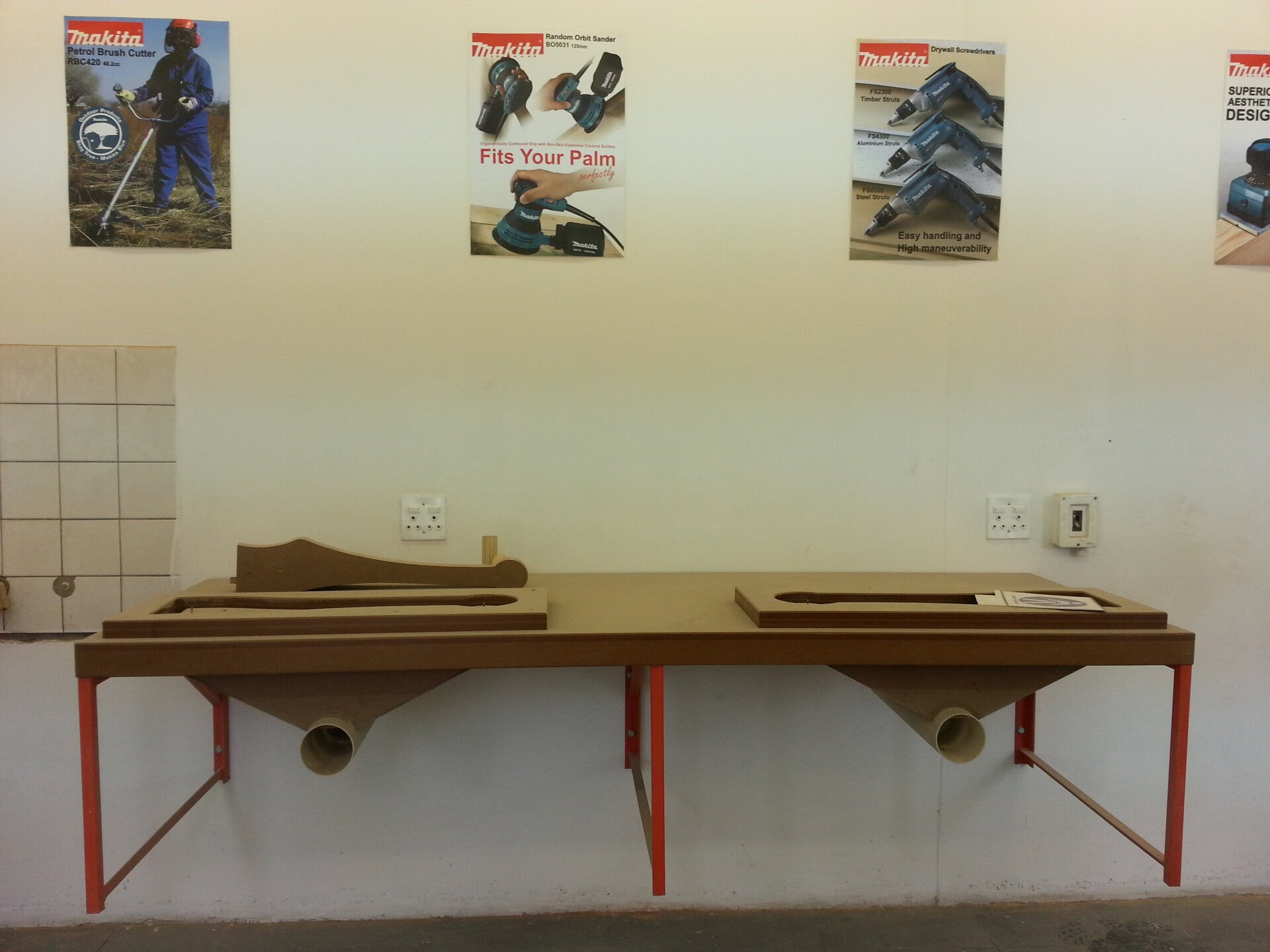
Additionally, Woodlife offered woodworking courses, and was also an accredited dealer for Makita South Africa.


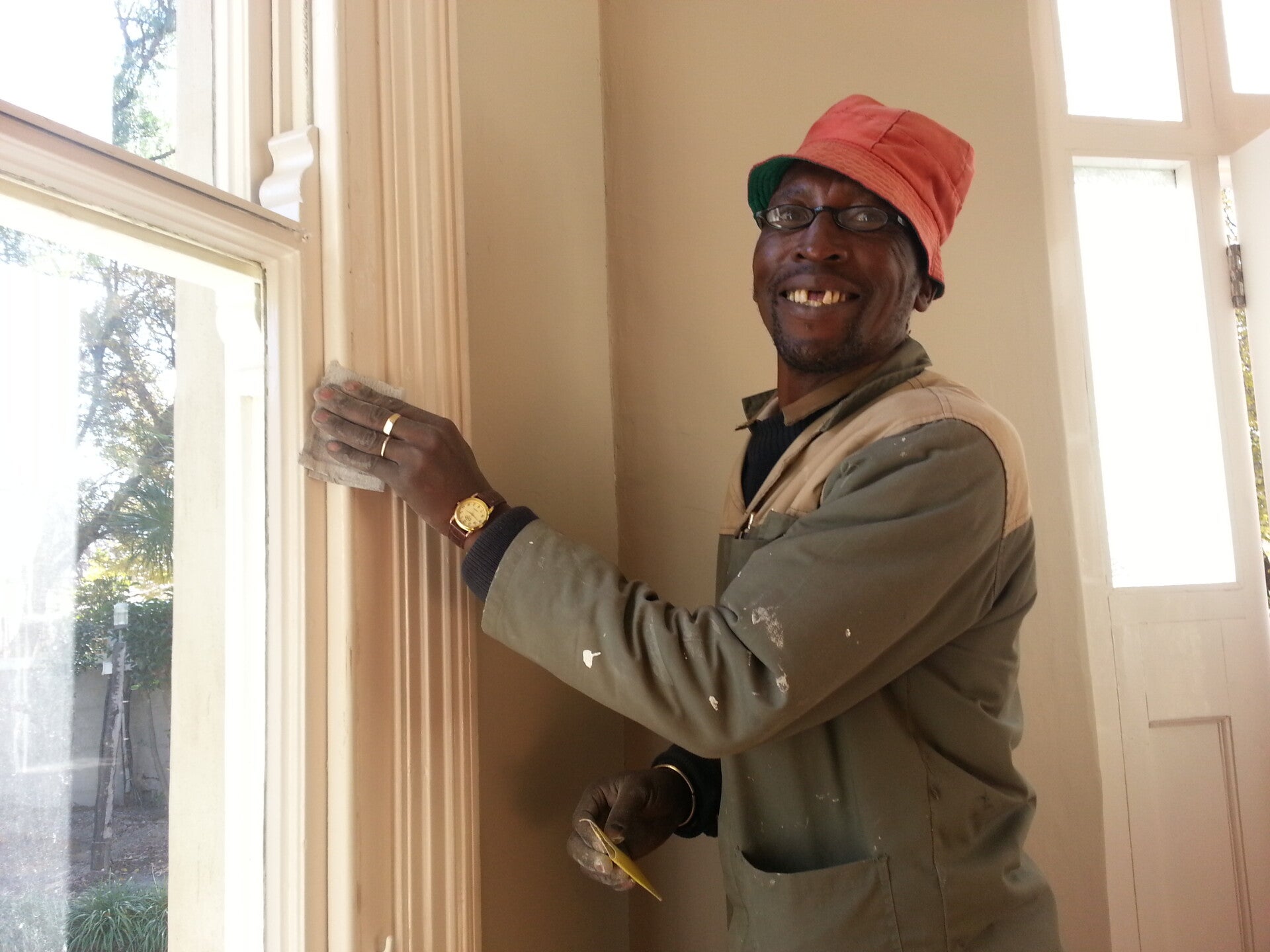


Woodlife Center for Craftsmanship
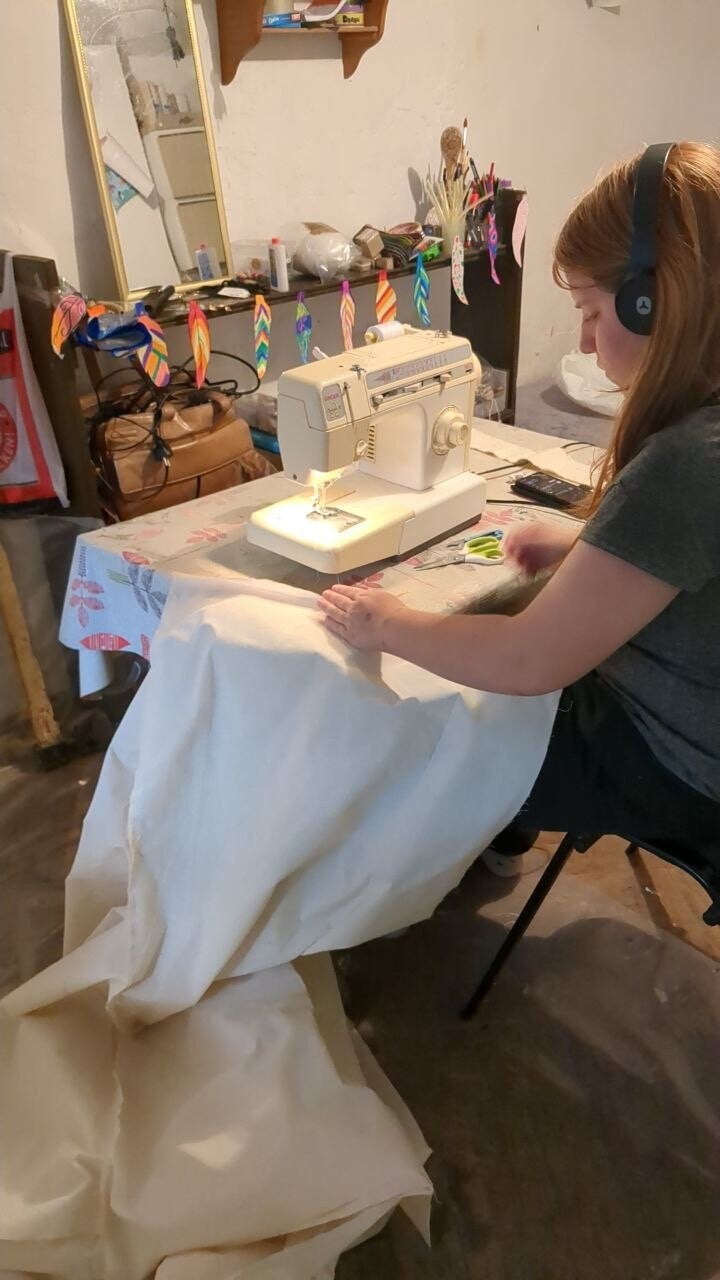
Woodlife Center for Craftsmanship also set up a training facility in Harrismith in 2012, with a focus on the design and production of quality wooden toys.
Toys not only allow for fun and play, but play a crucial role in a child's development; it contributes to essential skills, such as motor skills, cognitive development; hand-eye coordination, analysis and teamplay.
Staff and students were sourced from the local communities, in collaboration with the Malawian Labor department. Systematic production lines were set up to allow for each individual to learn to operate tools, and contribute to quality end products.
Woodlife Center for Craftsmanship was praised by the South African ILO division (UN - International Labor Organisation), and won the first prize in the Free State business competition, for its wooden balance bike production line.



Malawi (Phwezi)
In the rural area of Northern-Malawi, we established Mughogho Woodlife Foundation, named after Dr. Chipimpa Mughogho, one of the independence fighters of Malawi in the '60s, as well as founder of the Phwezi Foundation for Education, Training and Development. We met Dr. Mughogho in Phwezi, at which time he was in his 90s. He welcomed and supported us in the foundation of the Mughogho Woodlife foundation.
Mughogho Woodlife foundation:
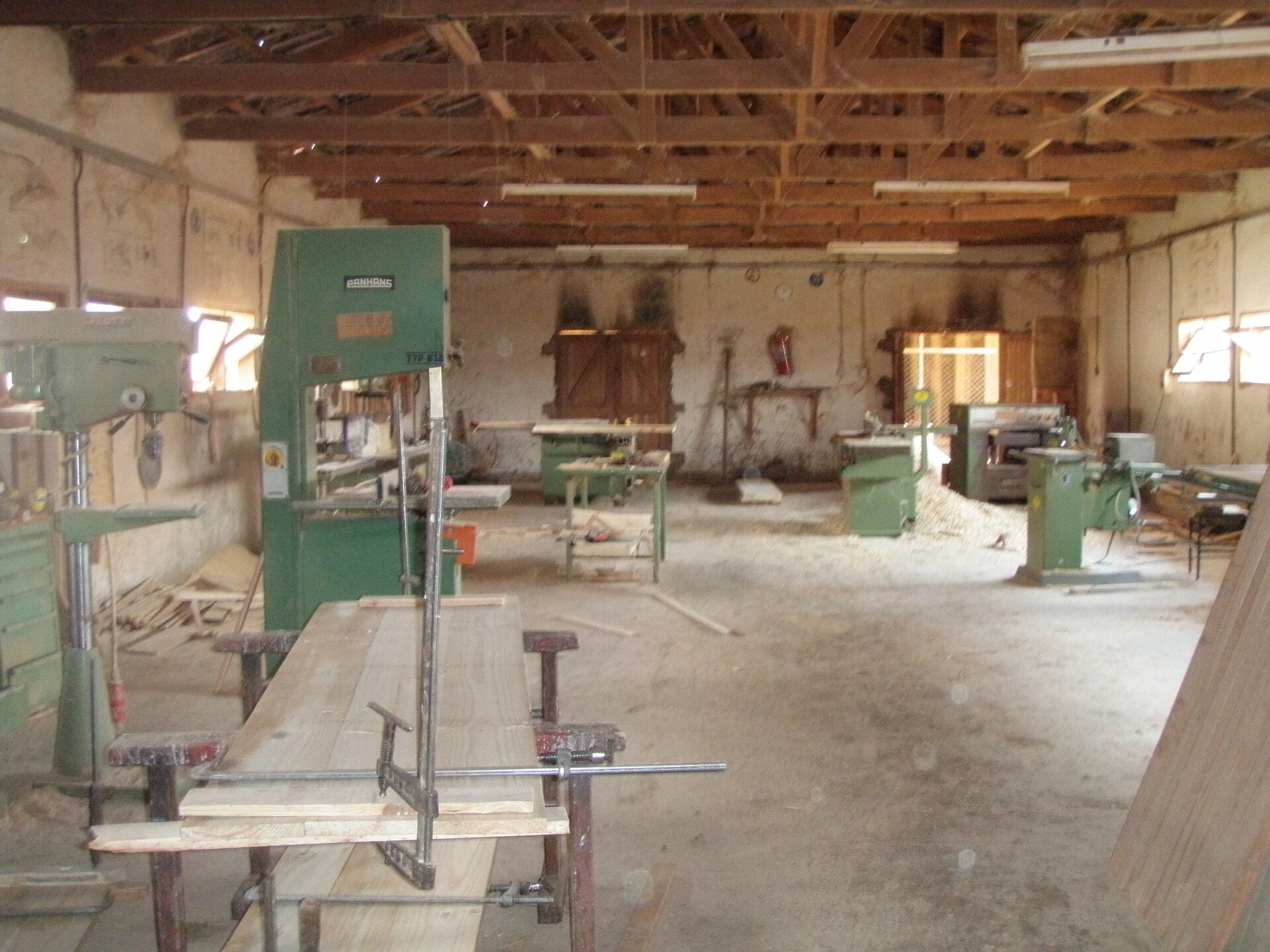
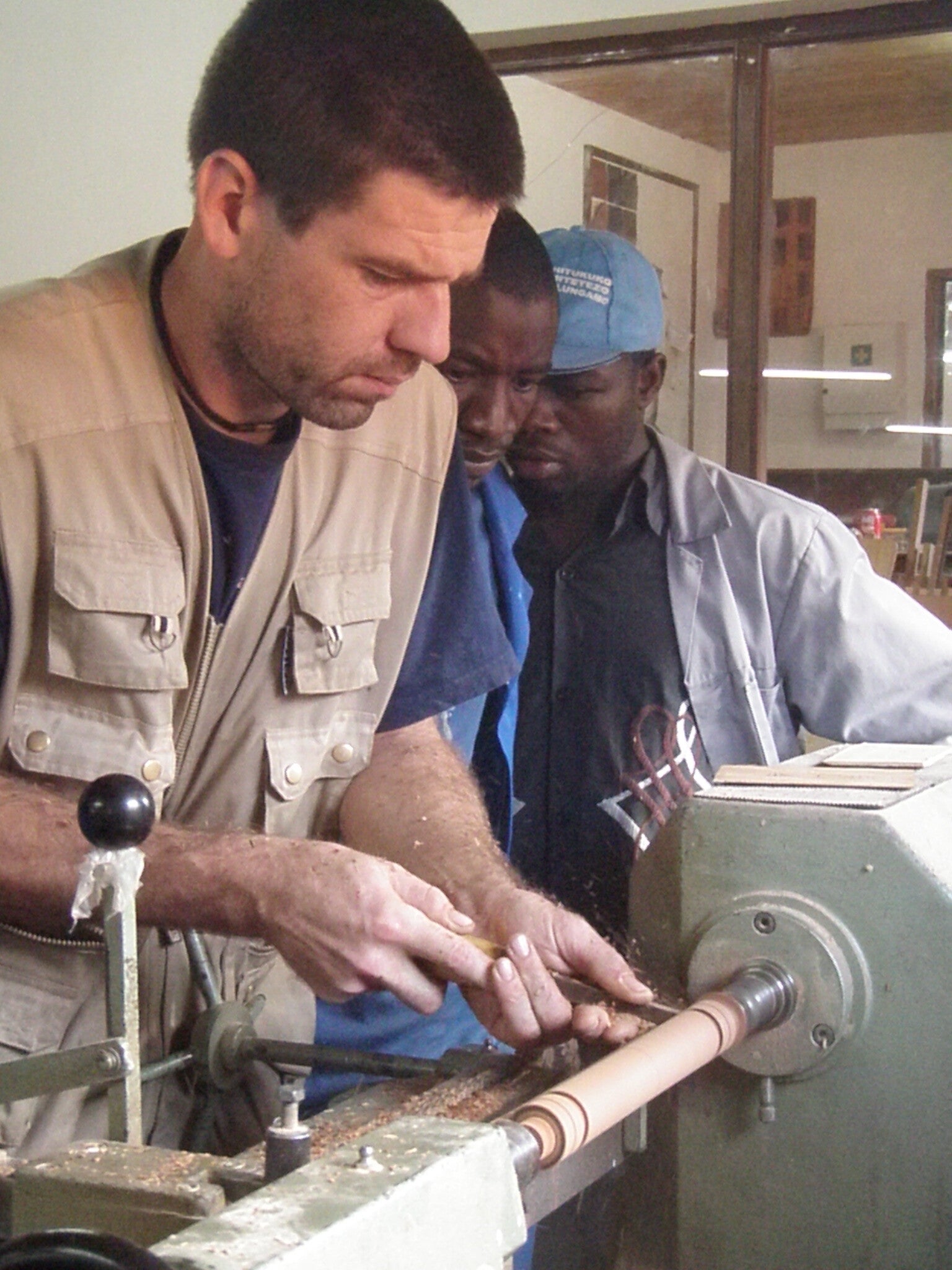
- assisted in renovation of the carpentry & joinery workshops; provided on the job training in machine maintenance and how to set up systematic production lines;
- established collaboration between local (public and private) partners;
- sourced funding for the development of Phwezi Foundation, consisting of the techical/ vocational school, the women's college and the garden.






Dr. Chipimpha Mughogho
At a time when access to education in Malawi was tightly controlled and often politicised, Dr. Morton H. Chipimpha Mughogho stood firm on one principle: merit must come first. Born on 22 August 1922 in Nthalire, Chitipa, Dr. Mughogho rose from a rural background to become one of Malawi’s most influential education administrators, a freedom fighter whose contributions to Malawi’s struggle for independence were legendary, a trade union leader during the independence era, and later a key figure in multi-party politics. Dr. Chipimpha Mughogho passed away on 13 December 2009.
Malawi (Blantyre)
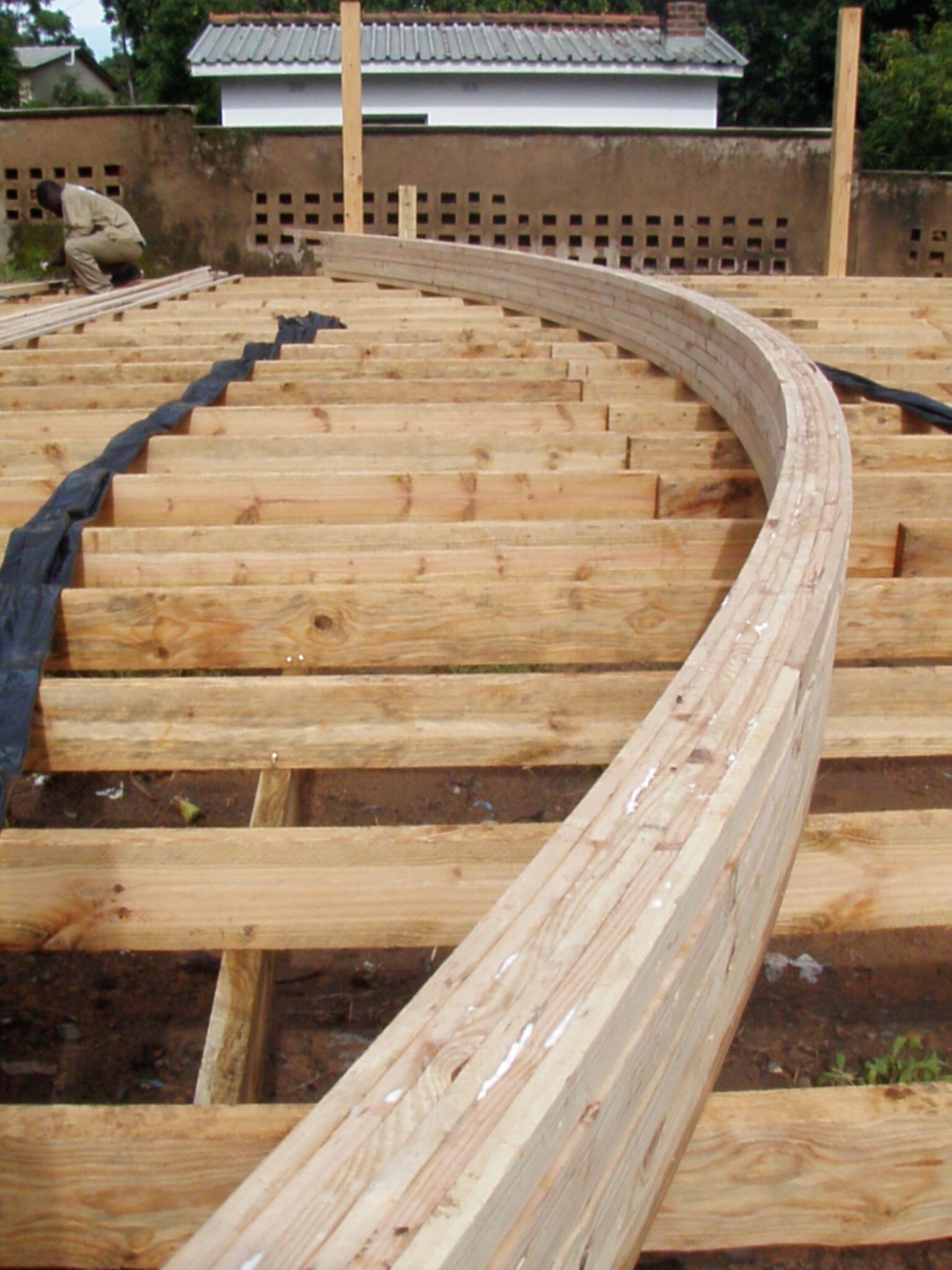
In a collaboration between Nanzikambe (NGO), Development Aid from People to People Malawi (NGO) and Mughogho Woodlife foundation, we carried out a building project to realize an outside, moveable theater stage. This project was carried out on site, using only hand-tools and locally available materials. Students from the DAPP vocational school attended a 6-week course of on-the-job training in general woodworking skills, while contributing to the realisation of this project.



Croatia

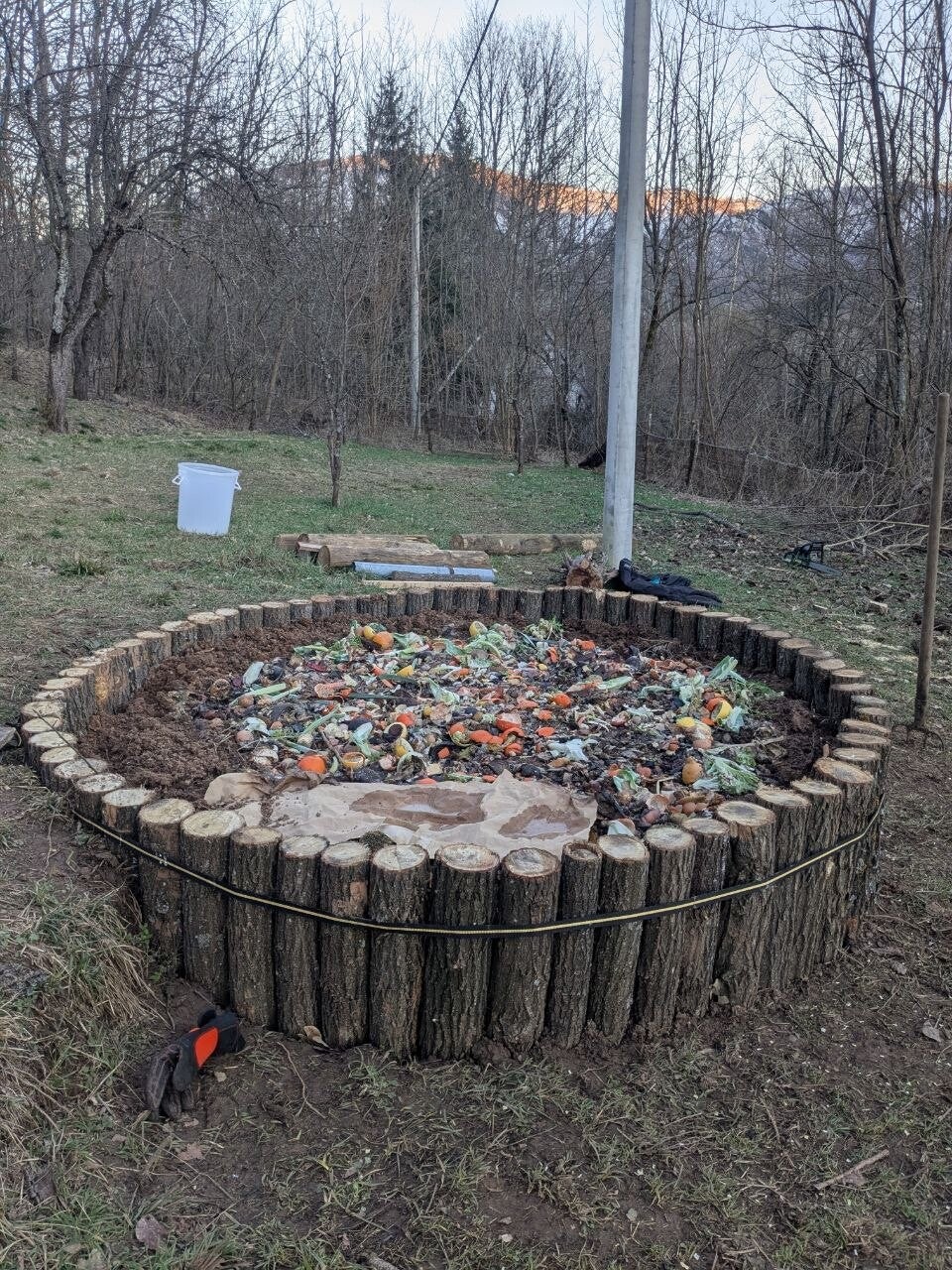
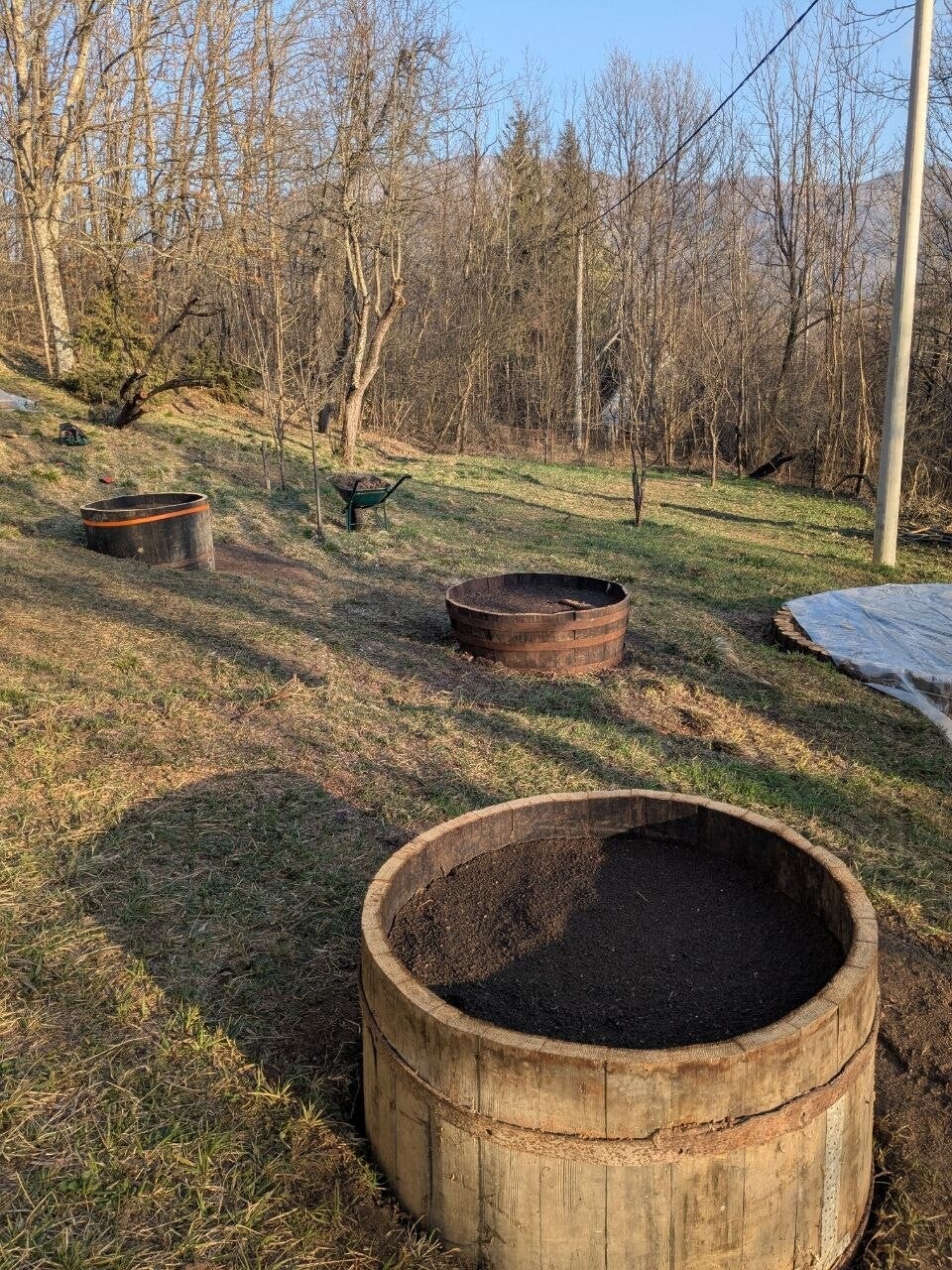
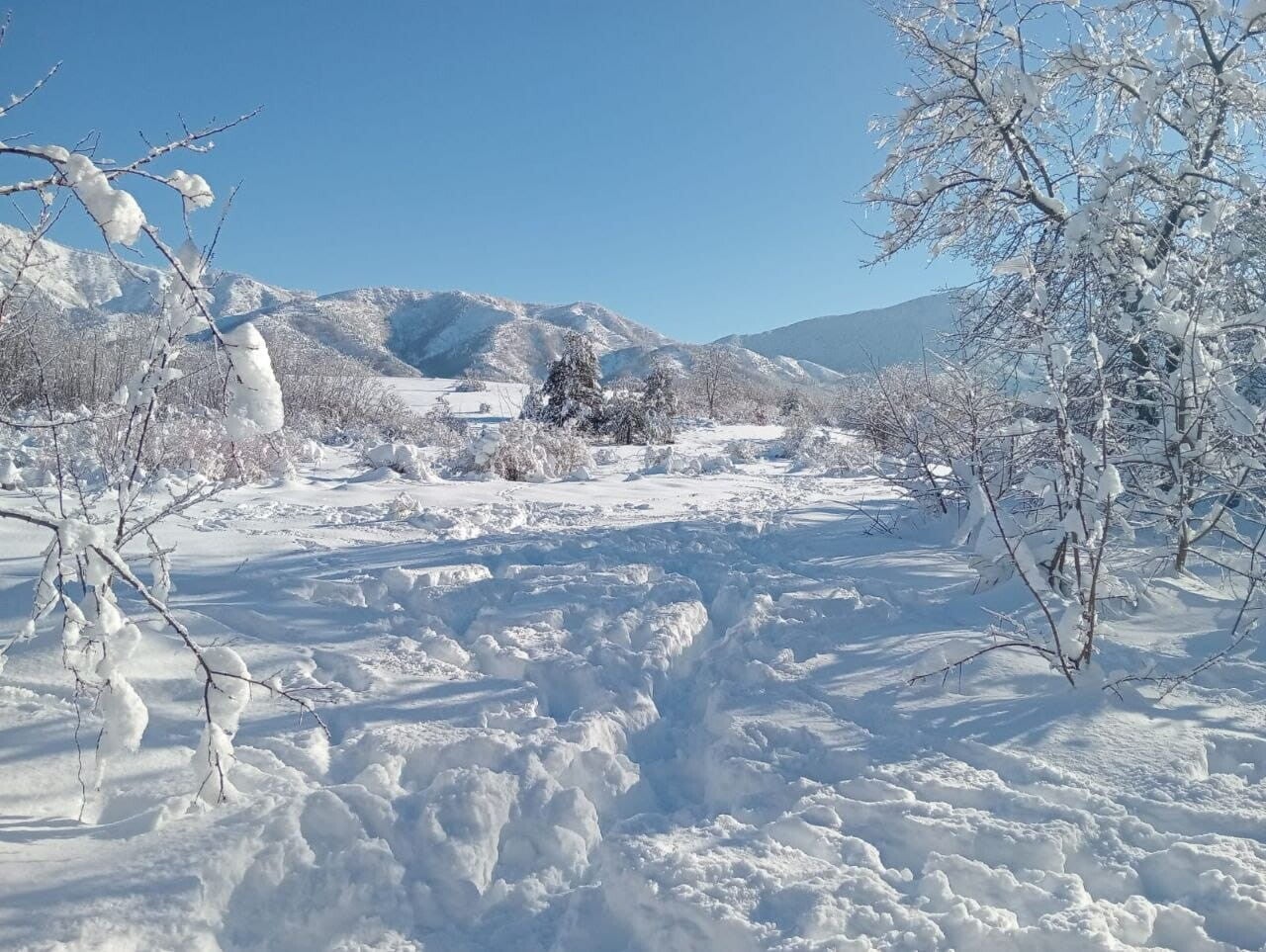
Last year, a pilot project has started in a rural area of Eastern Croatia, on a 7,5 ha farm close to the Bosnian border. Nearby village Srb is located in the valley of the river source Una; it is a rural area with few inhabitants. Over the years, a lot of farmland has turned into forest, making it an ideal location to learn how to live with nature.
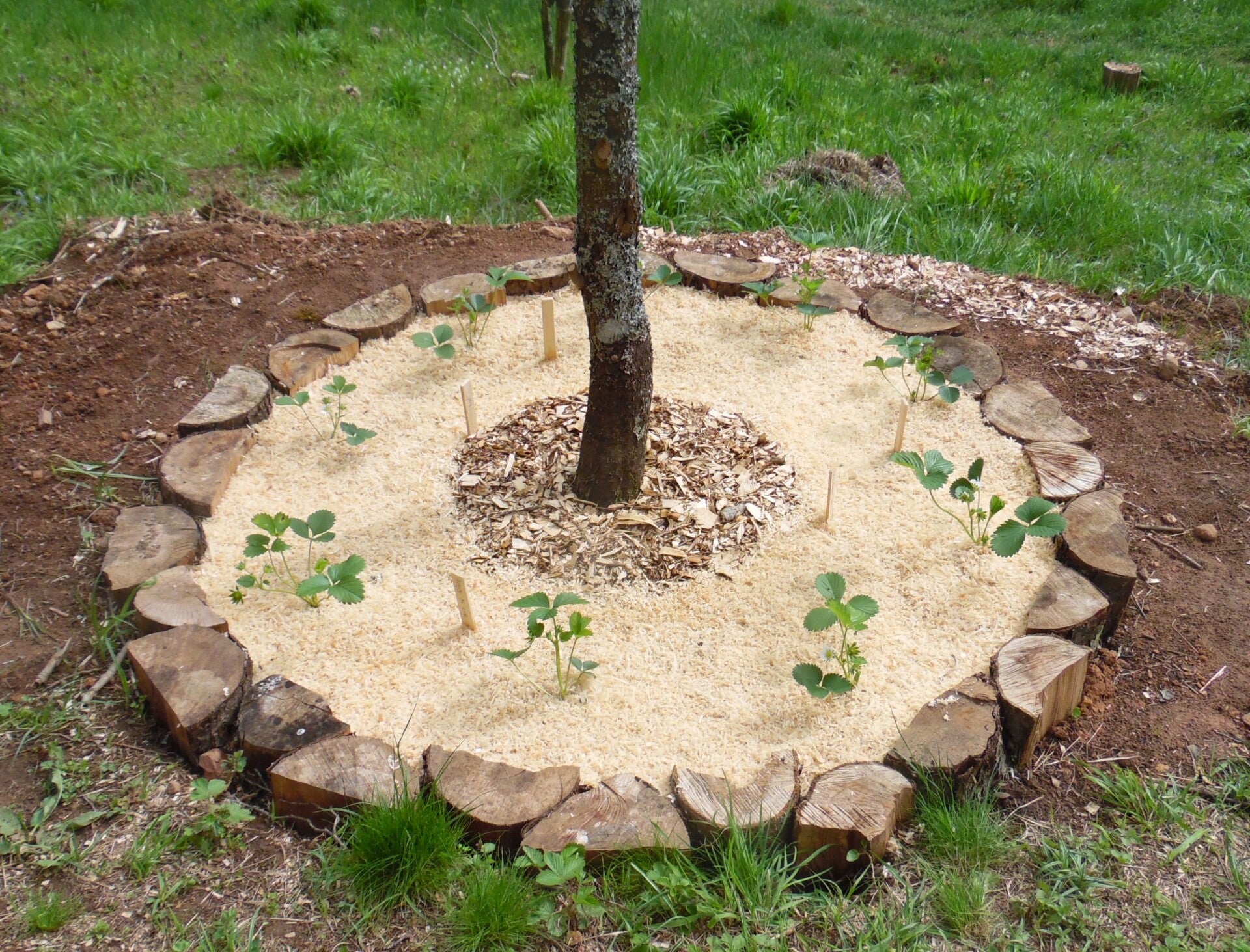
In harmony with nature, a "living and learning environment" for young and old is being created. The location offers clear and nutricious water all year round from the Una source, and the forest hosts a great variety of trees, flowers, herbs, birds and more. The focus themes are diverse gardening as well as using forest resources for building, cooking and keeping warm in winter.
We are currently exploring new locations for similar type of projects in Hungary.






The Netherlands
House & garden
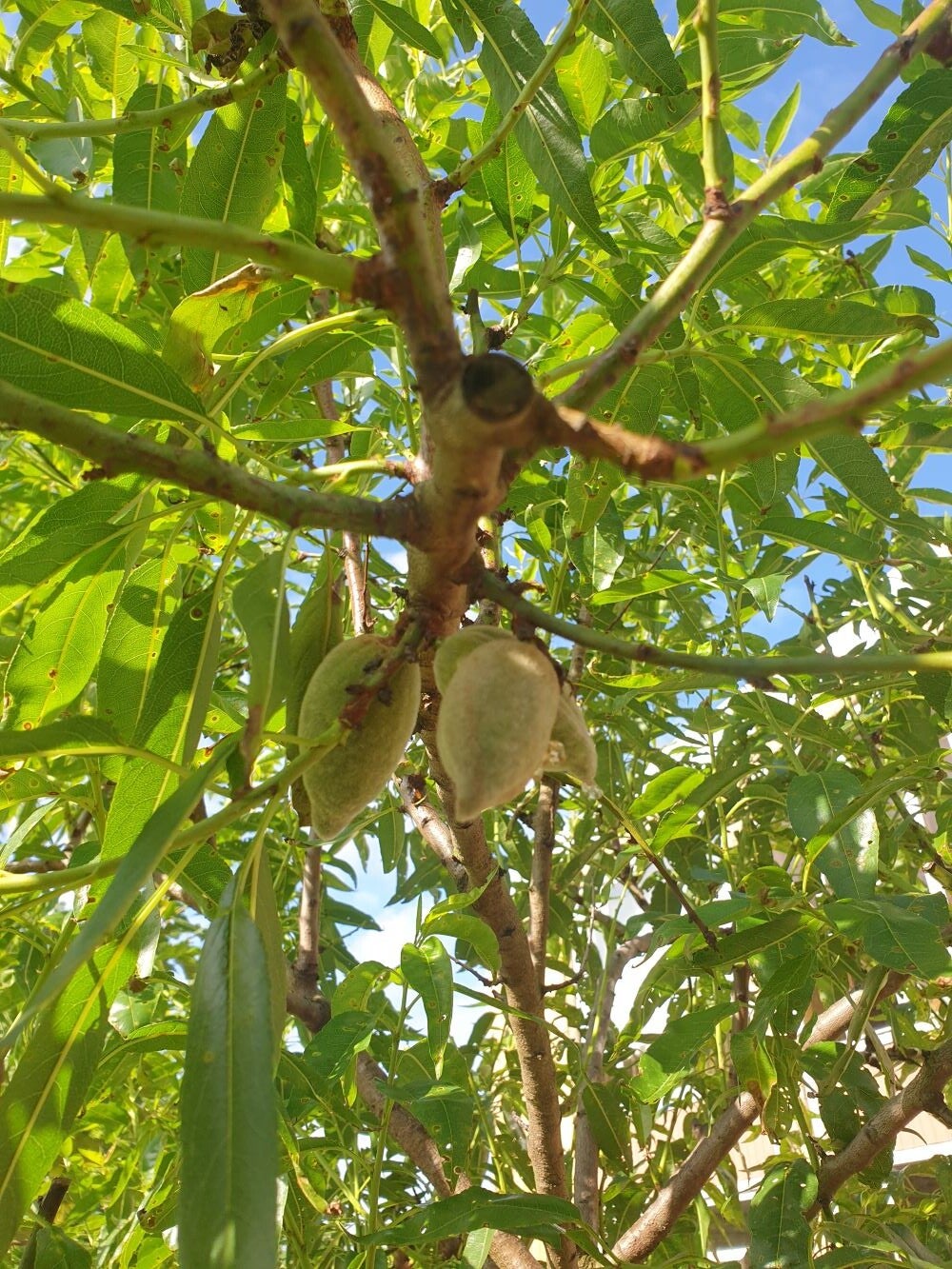
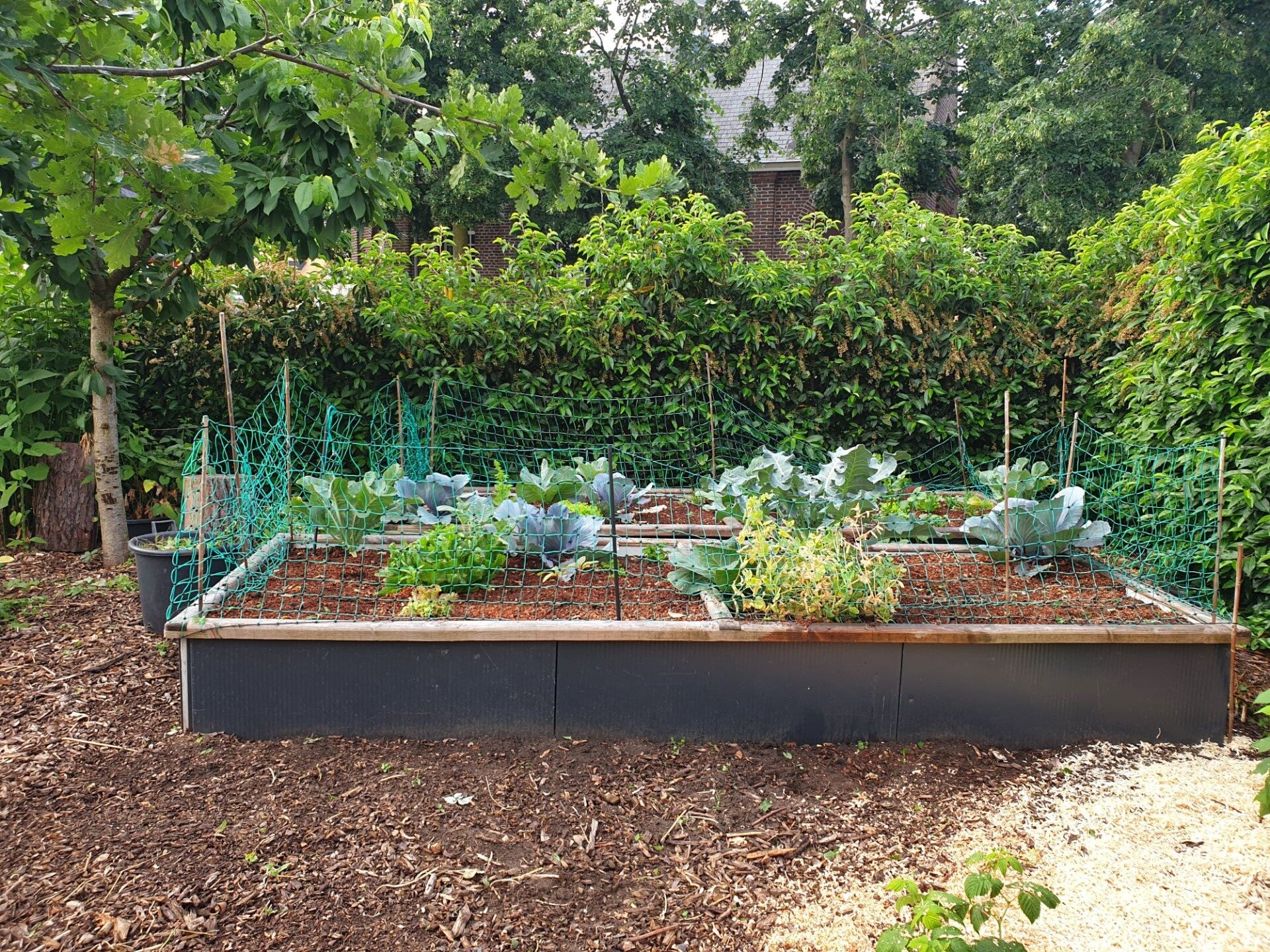
The living & learning environment in the Netherlands was situated in a semi-urban area. It involved the establishment of a 400 m² vegetable garden, in which more than 100 varieties of vegetables, fruit, and berries were cultivated using biodynamic methods. Energy was provided via solar panels, and a biomass boiler heated the house, using wood from a local forest. It was an experiment to learn how to live self-sustainably, in a semi-urben setting. In doing so, Gewoon Puur organised different workshops; in the area of gardening; fermentation; autonomy; independent living and more.
Forest
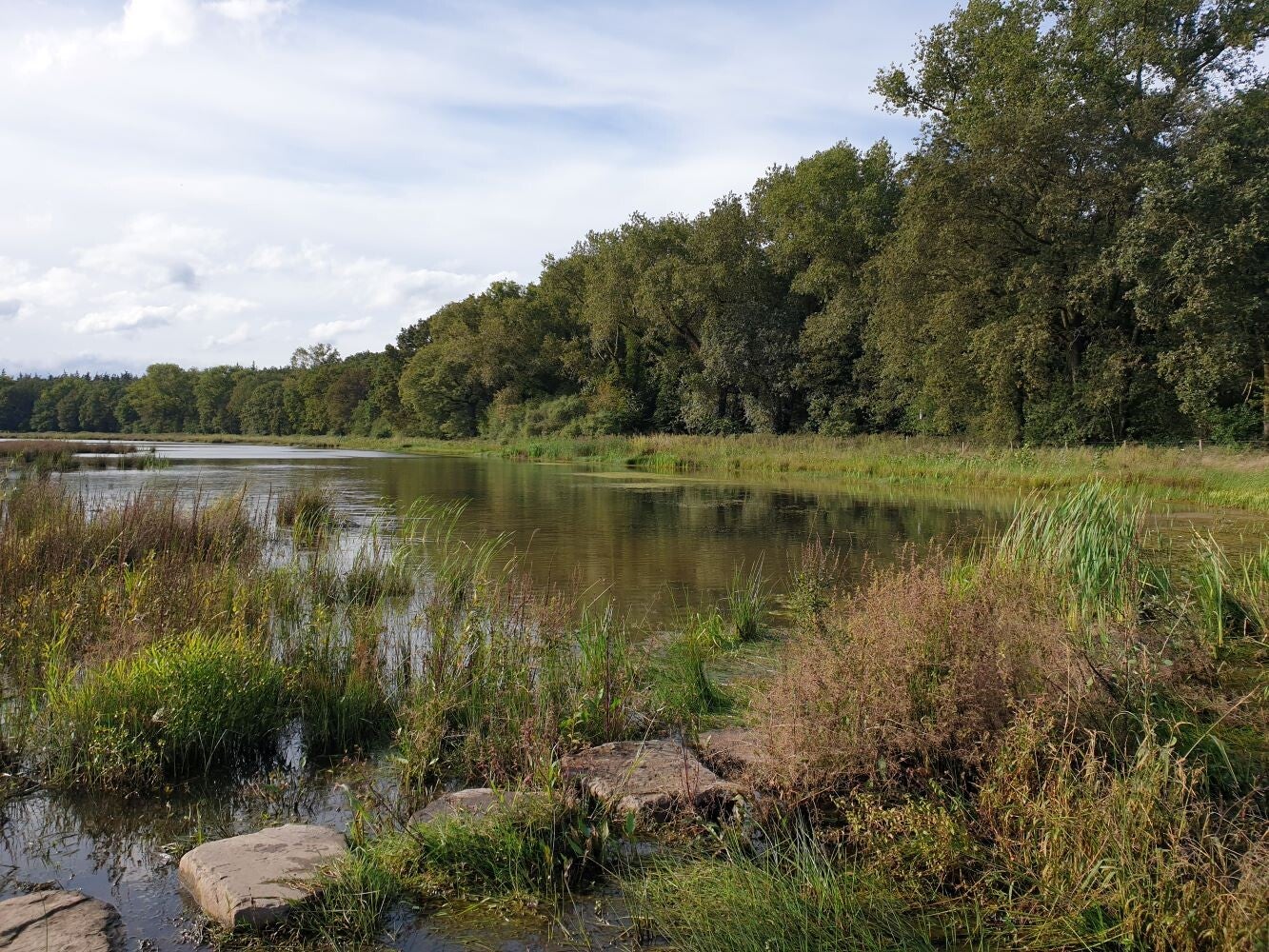
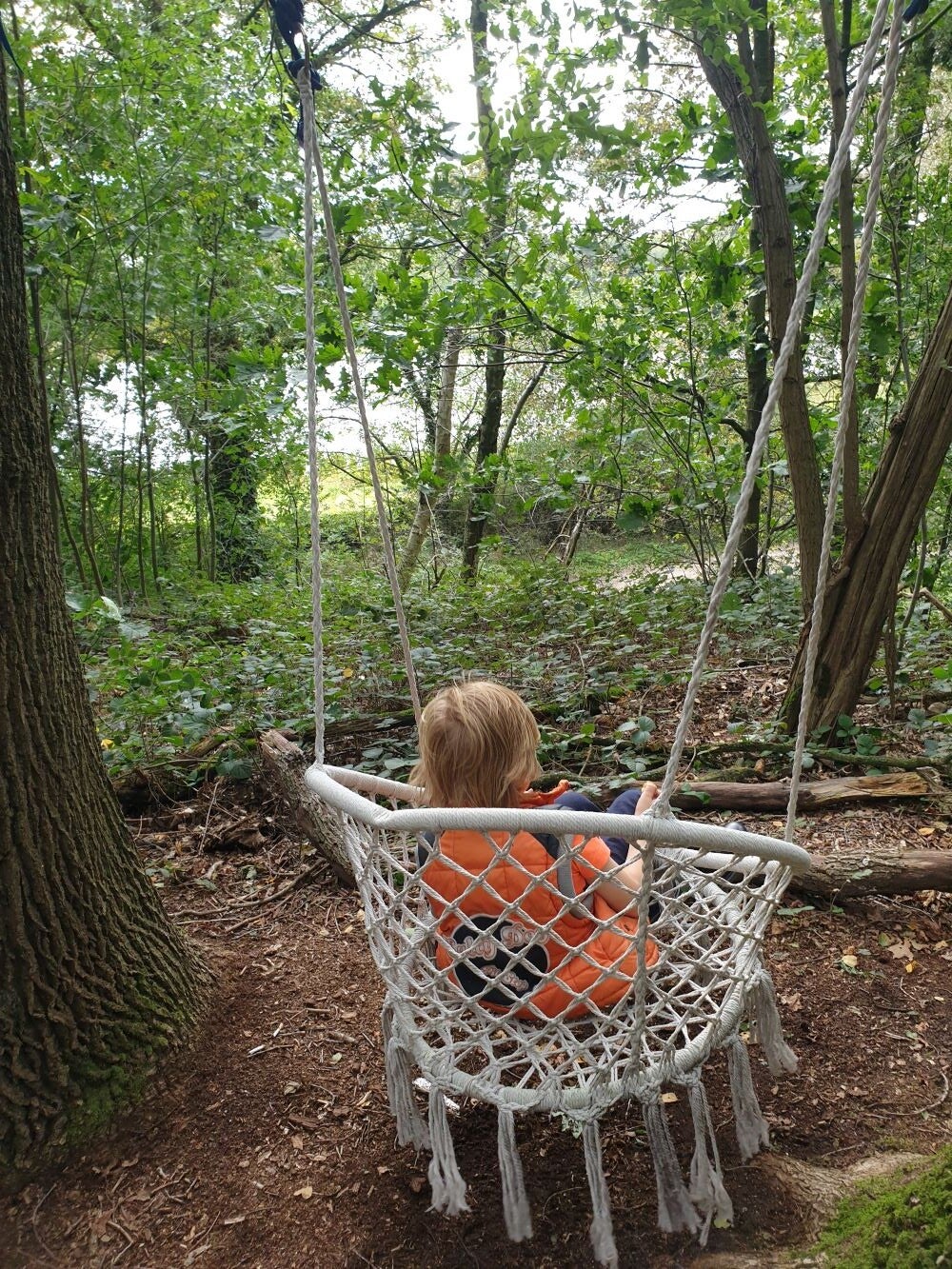
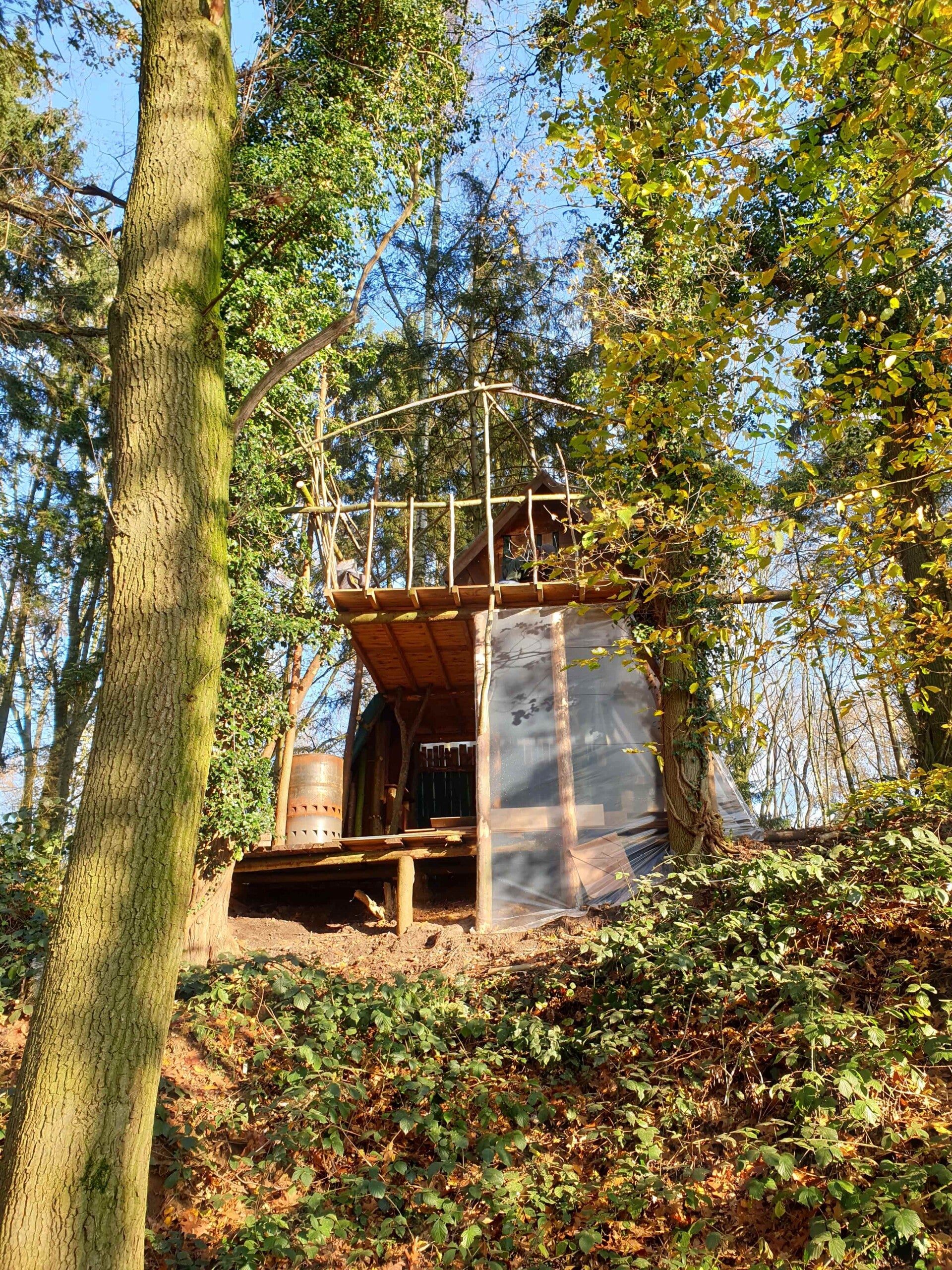
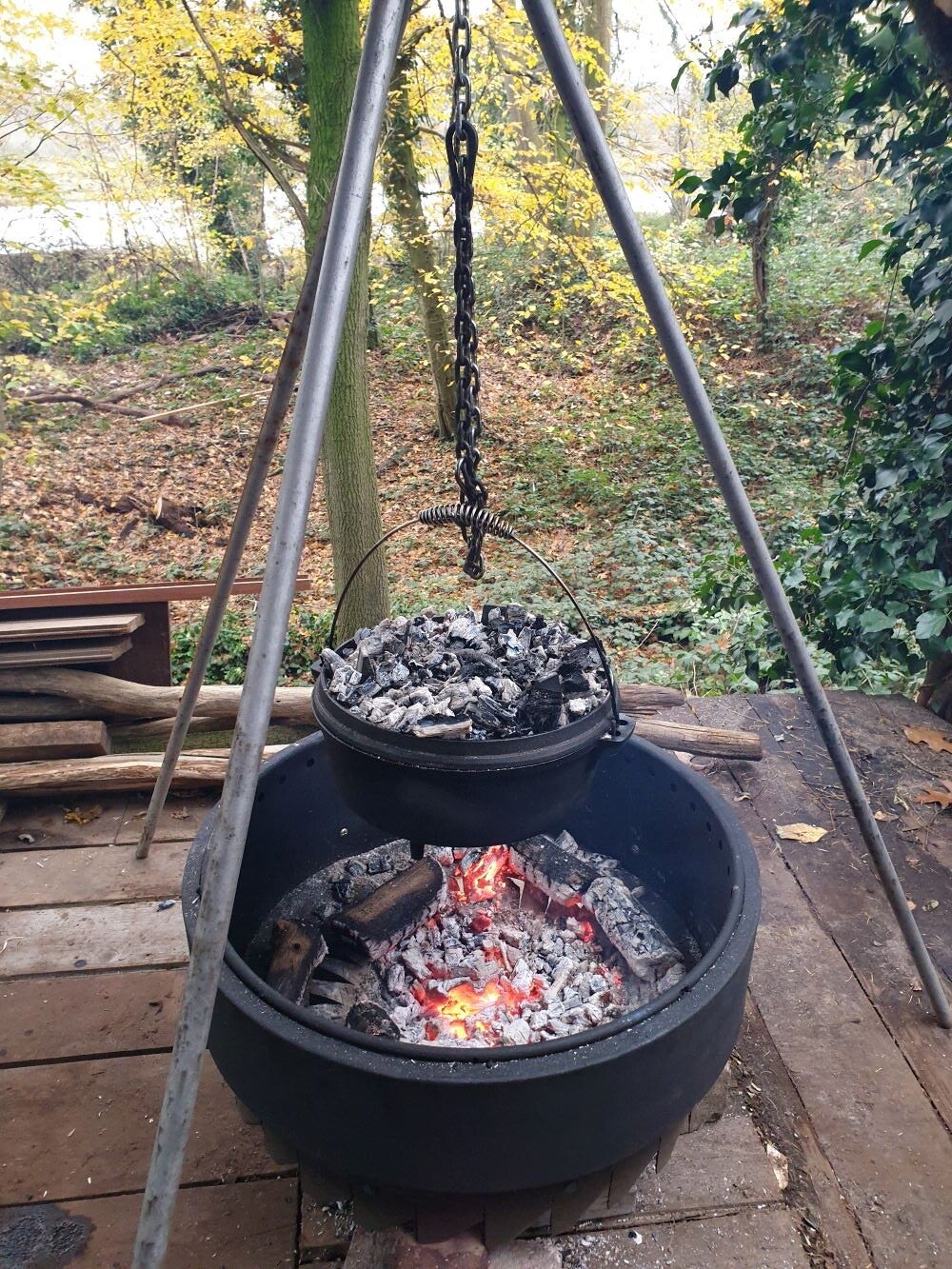
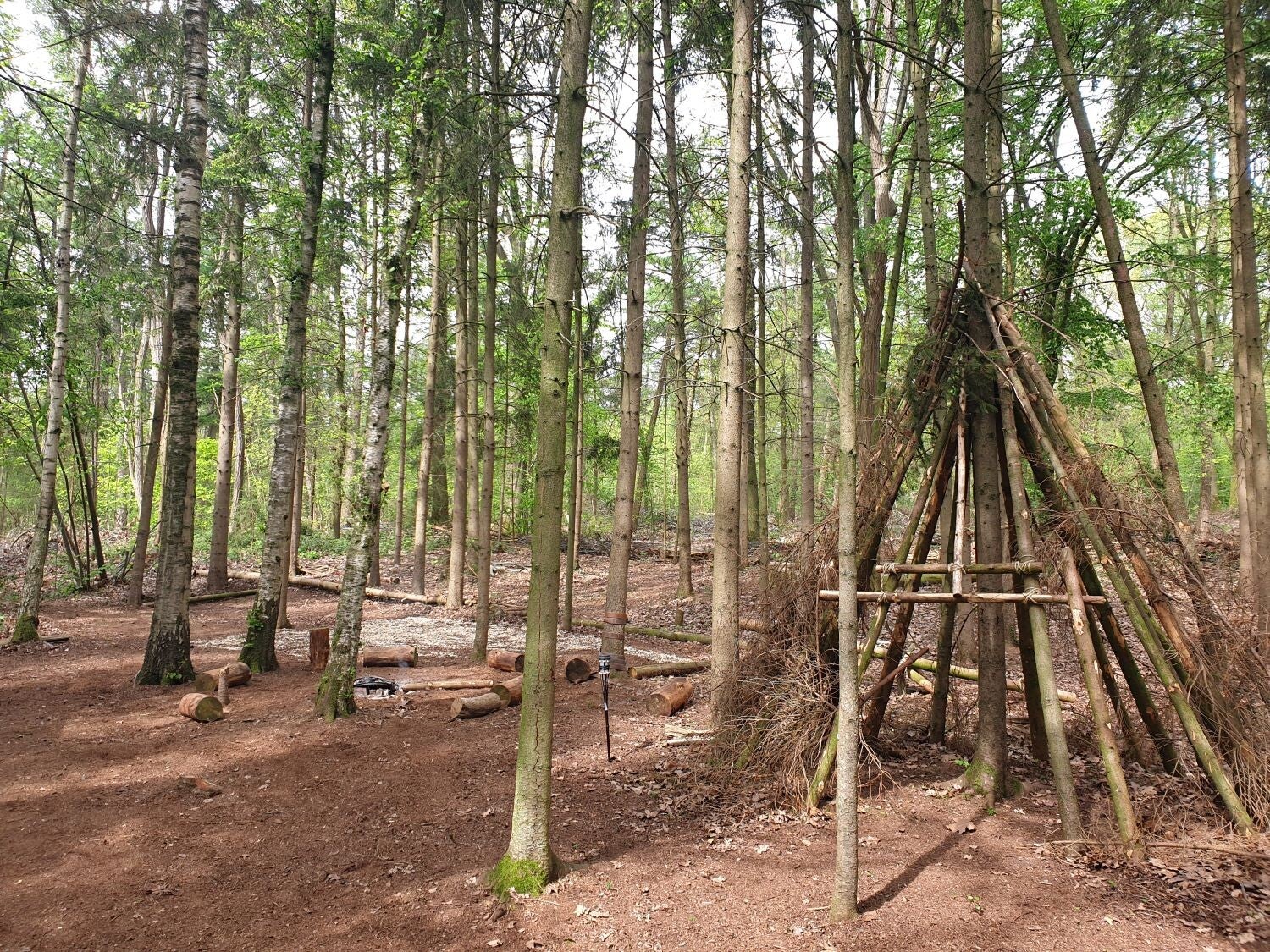
The forest is approximately 1 ha and contains a high diversity of tree species. It is used as a learning environment where children and adults can develop themselves in many areas, for examle by building huts and shelter; making fire; cooking on wood and generally allow for advanturous play and discovery. It enhances various life skills: practical, creative, culinary, sporting, cognitive, sensitive, and more.
Different Members of the Just Natural Private Member Association organise activities in the forest, please contact us for more information.






Norway
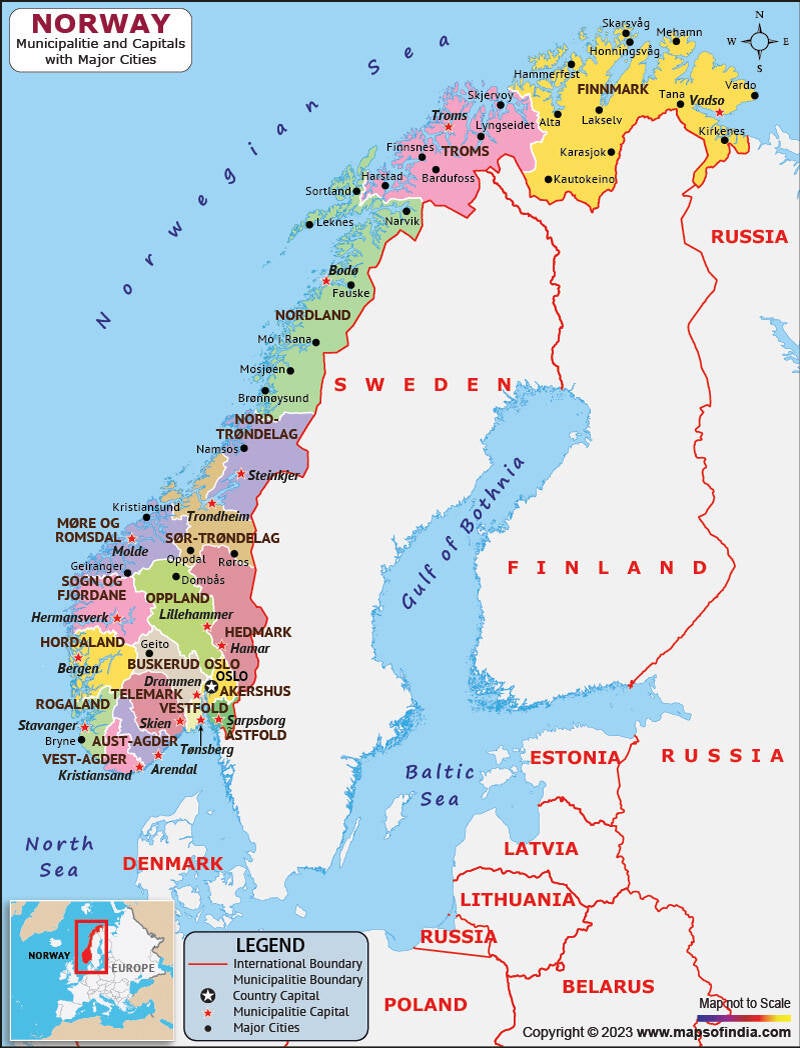
A pilot project was carried out in 2022 and 2023 in Norway on a 100 ha farm, mostly forest, with the aim to create a "living and learning environment" for young and old, using locally available resources.
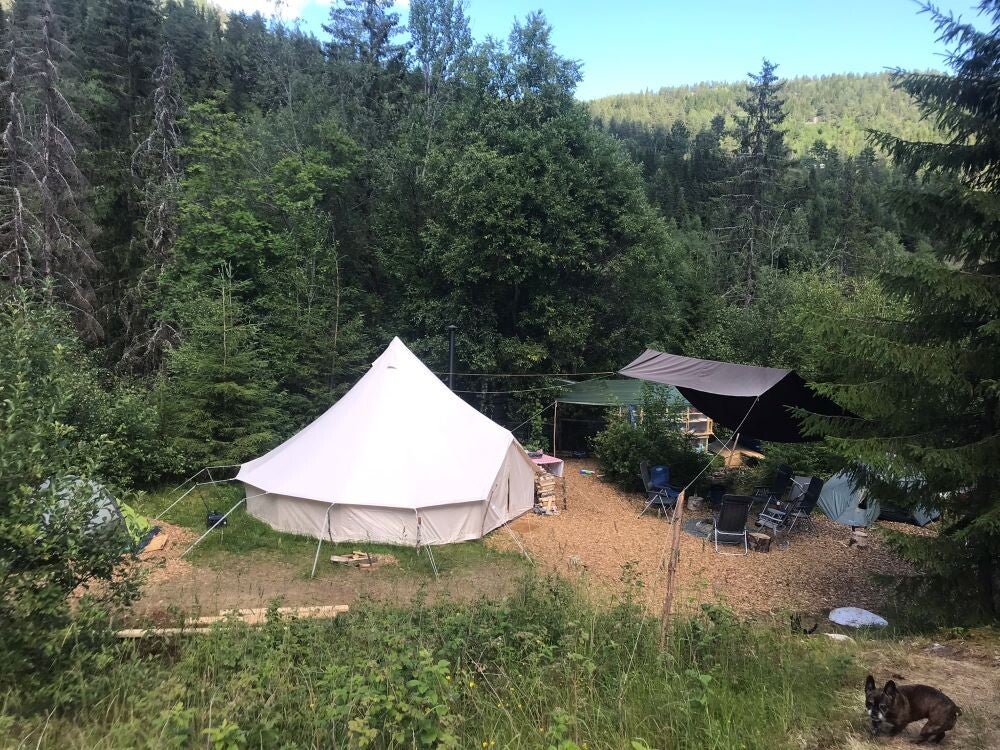
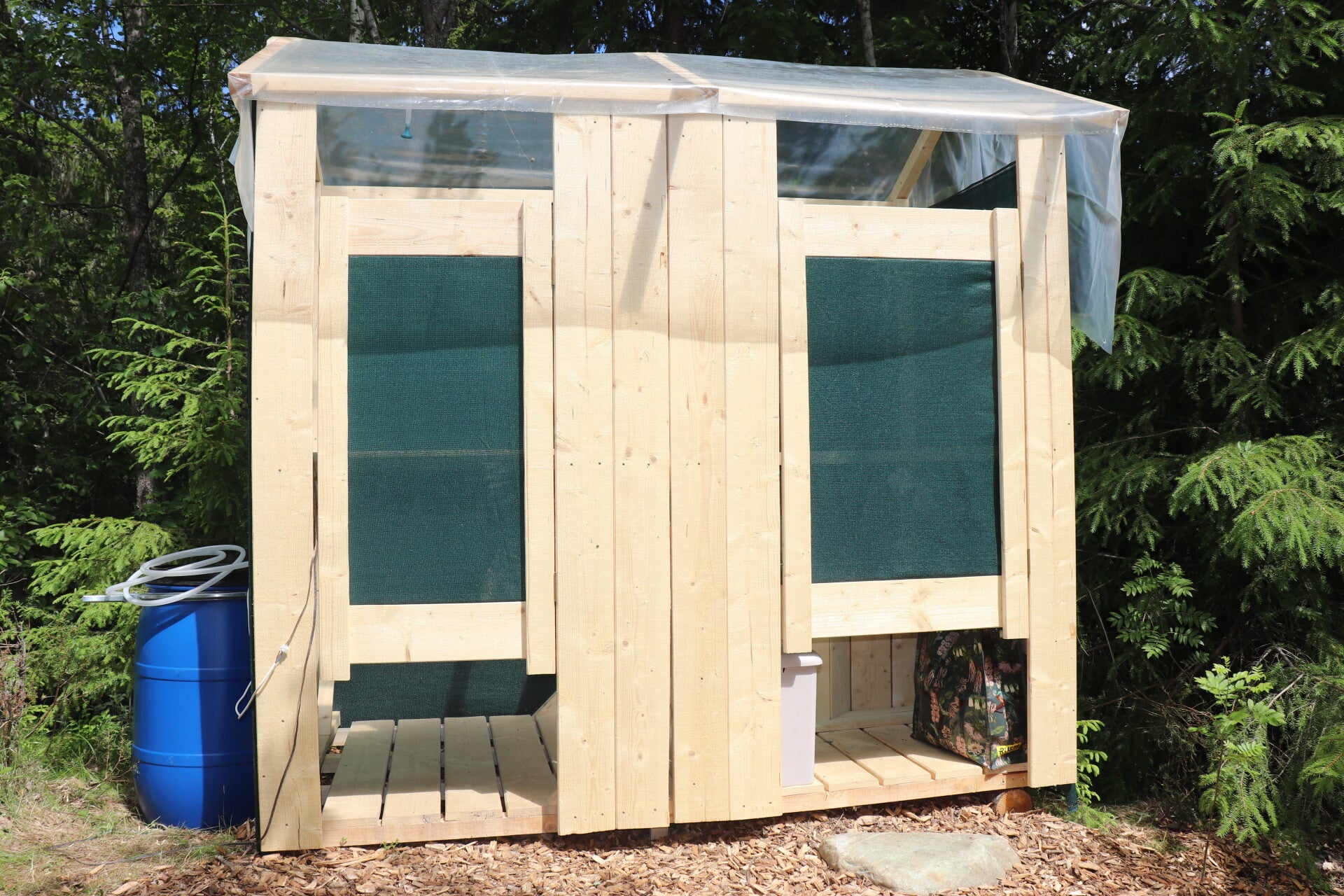
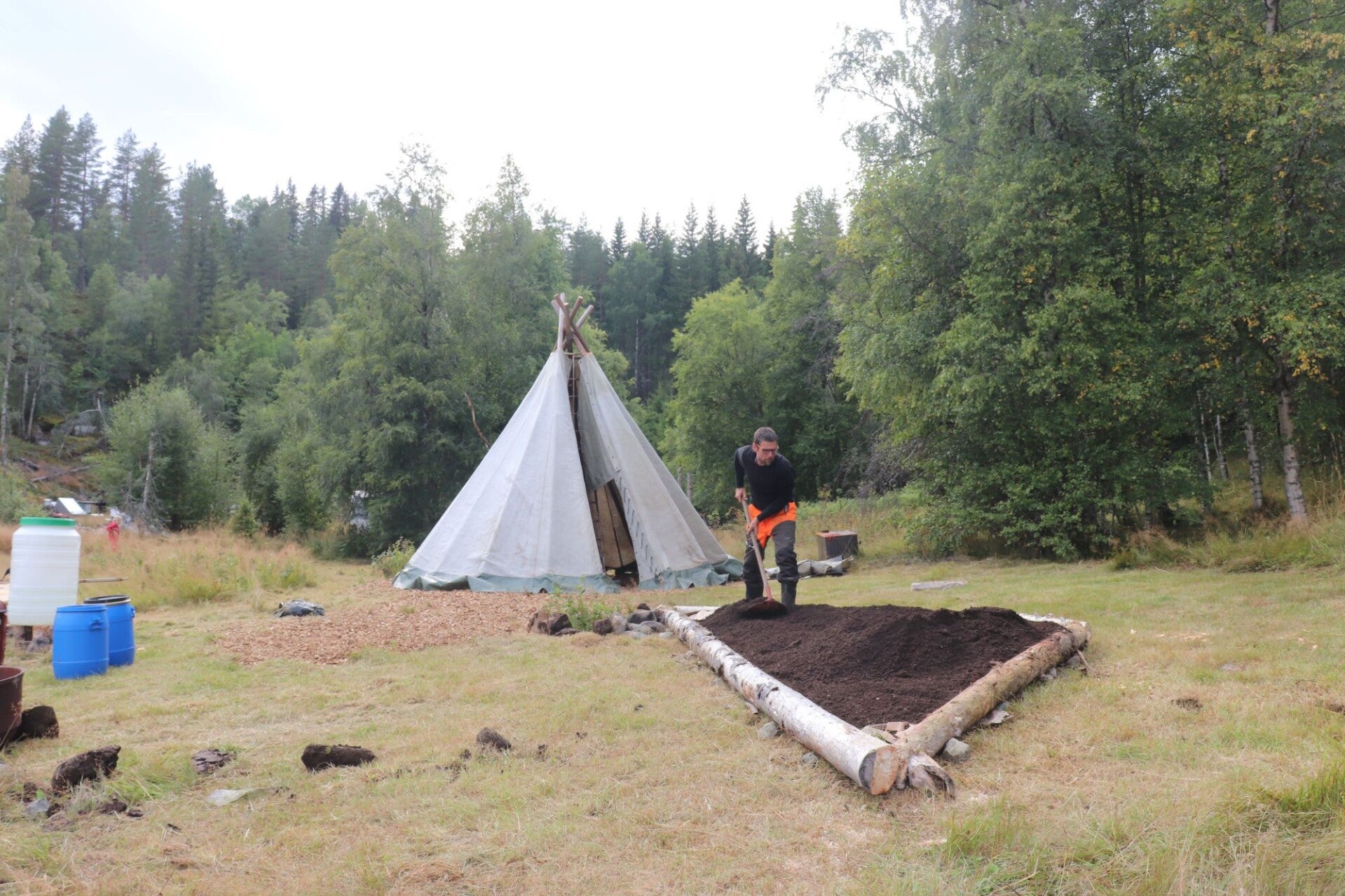
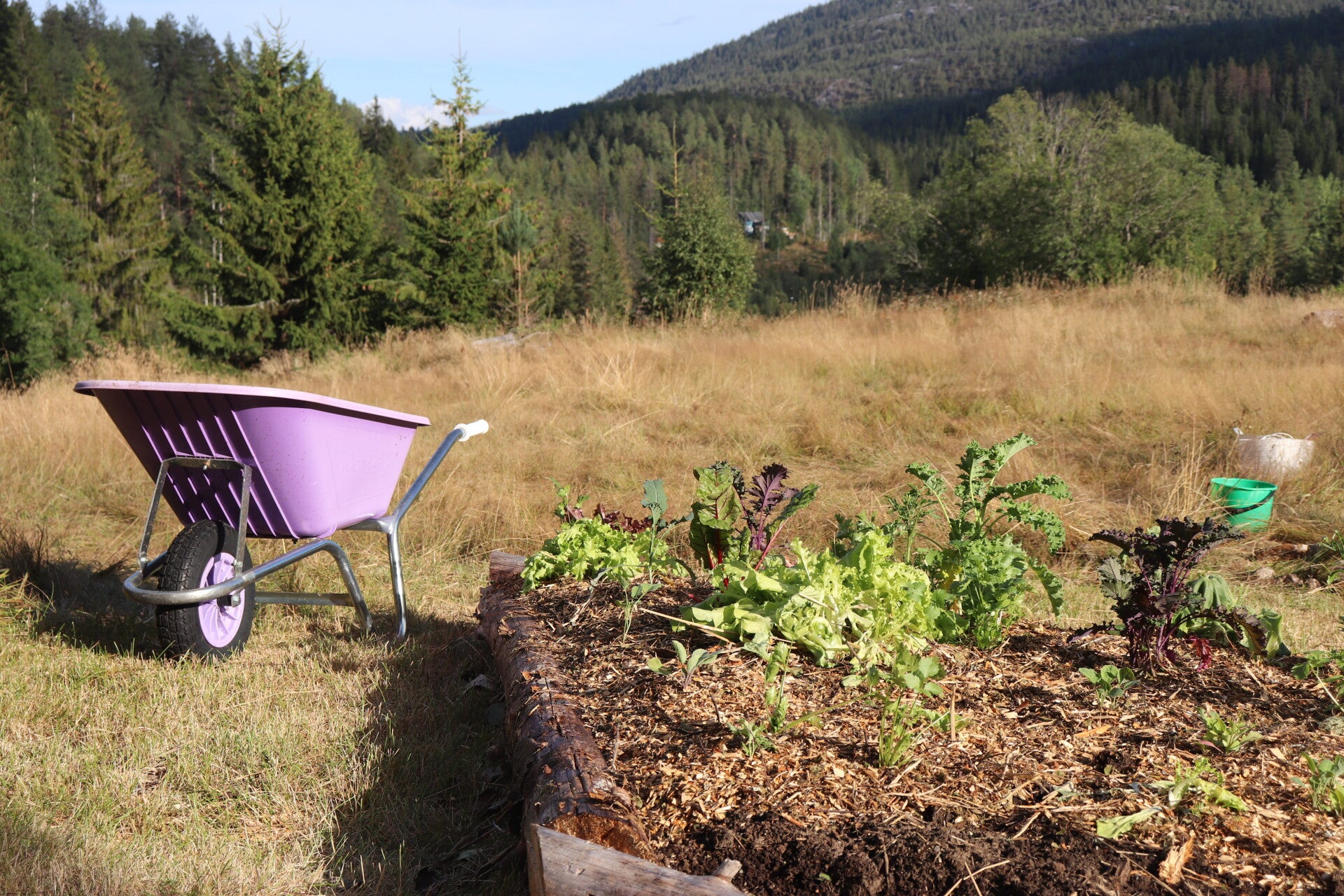
We started out setting up Camp(s) in the forest, which included a 6-meter diameter bell tent with stove; an outside shower and (eco) toilet; an outside kitchen; an outside 'living space', a playground and a vegetable garden.
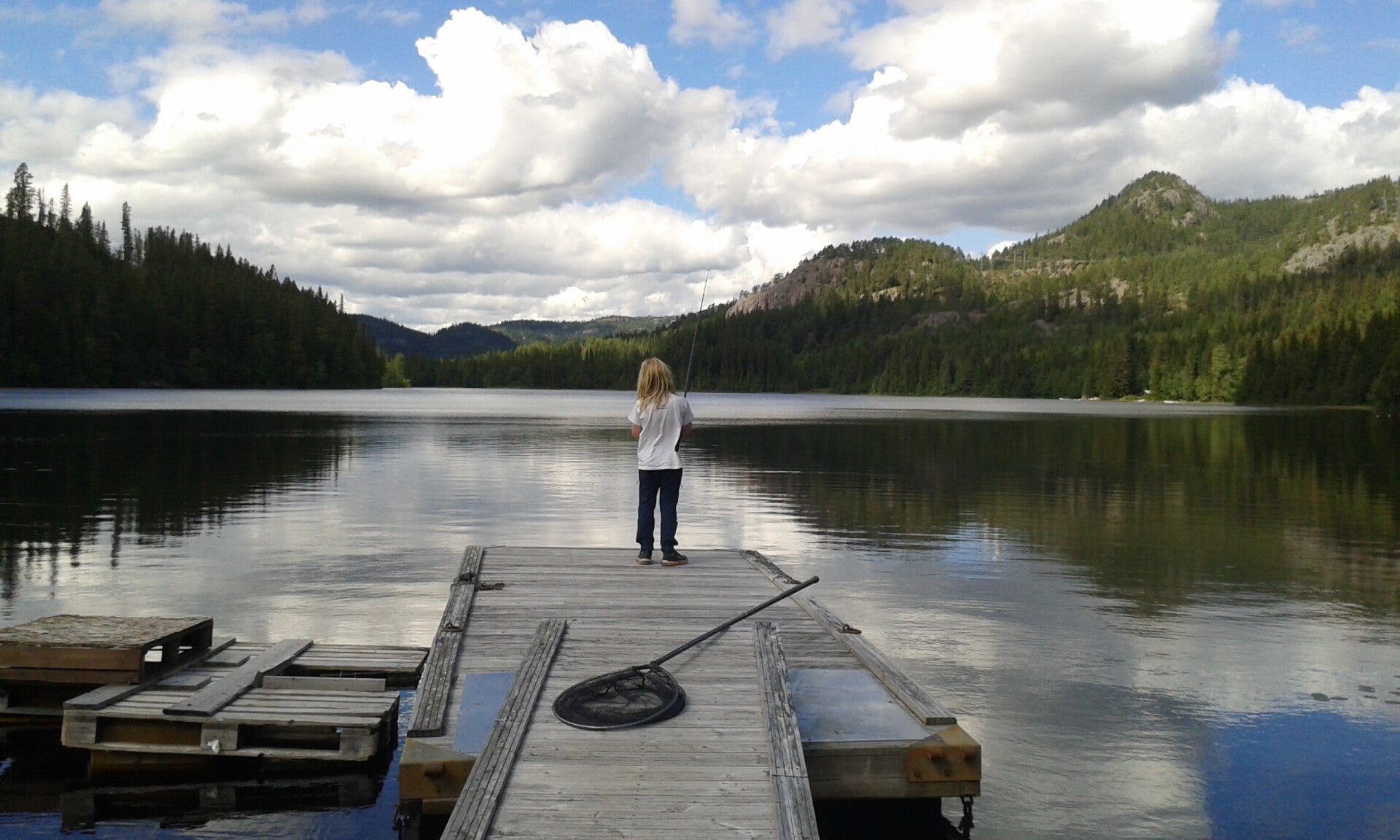
As part of the learning programme, children learned to catch fish; collect firewood and water; cook on a wooden stove, recognize eatable plants, and participated in the daily duties of camp life.
Additionally, we proceeded to clear a piece of forest. An on-site 6-meter saw mill was designed and manually fabricated, in order to cut some pine trees. Pine trees are in such abundance in this area, that taking a few out created more space, light and nutrition for the remaining trees.